First Bike-Priority Lane Transforms Ho Chi Minh City Travel
Introduction to Ho Chi Minh City's First Bicycle-Priority Lane
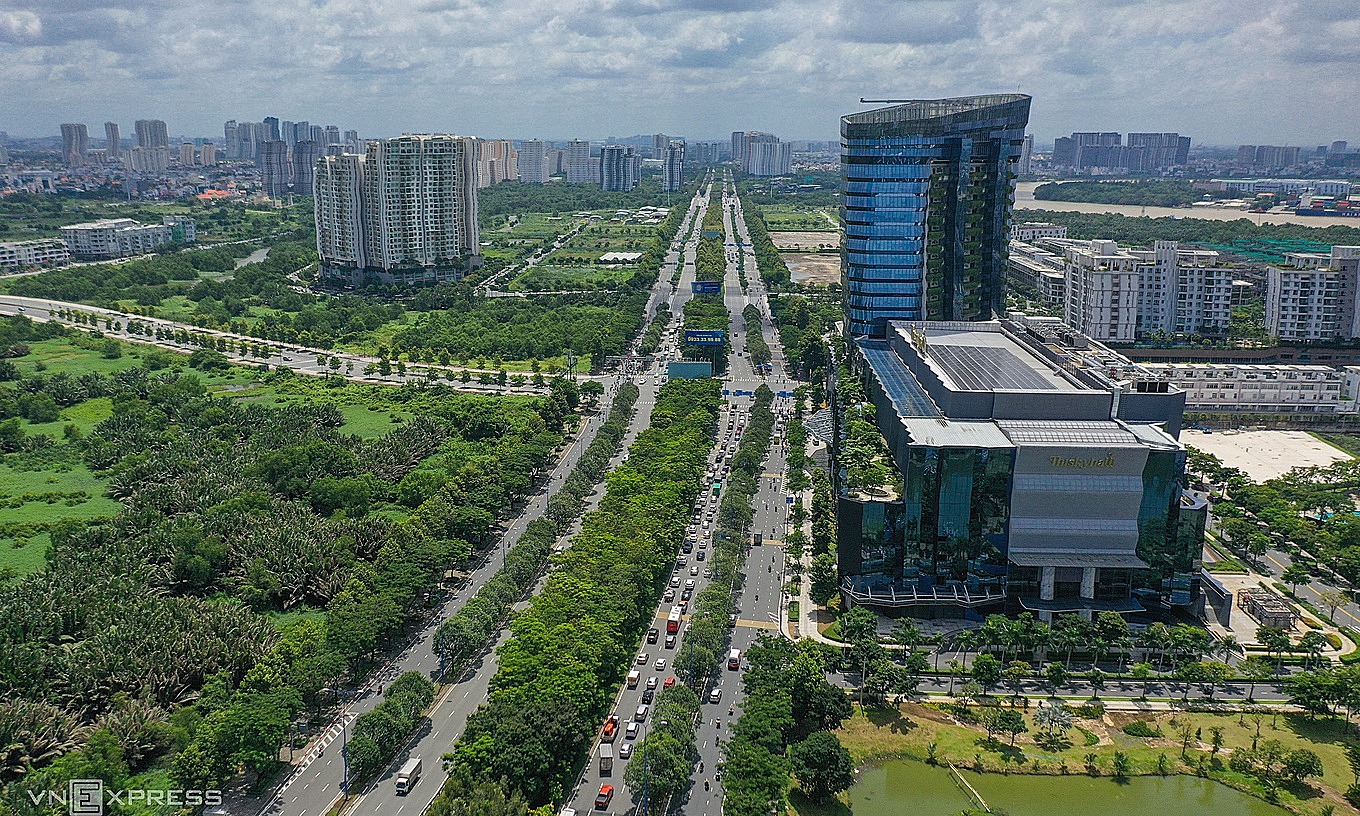
Ho Chi Minh City is set to introduce its first bicycle-priority lane by the end of the year. This initiative, a 6-kilometer green corridor, aims to connect major neighborhoods with existing metro and bus lines. The project, which costs nearly VND13 billion (US$510,000), will transform a 5.8-kilometer stretch of Mai Chi Tho Boulevard in Thu Duc into a dedicated cycling space. This area will be separated from cars and motorbikes, offering a safer environment for cyclists.
Construction is scheduled to begin in October and is expected to be completed by December. The two-meter-wide lane will run from Nguyen Co Thach Street to D1 Street, with a maximum speed limit of 20 kph. Clear surface markings will make the track easily identifiable, while five public bike-sharing stations will be installed near densely populated residential zones such as Sala, New City, The Sun Avenue, and the Mai Chi Tho bus station.
Vision and Goals of the Project
Doan Van Tan, director of the city's Urban Transport Operation Management Center, emphasized that the project is designed to provide residents with a safe way to cycle for short trips. It aims to combine exercise with commuting and improve access to the metro and bus network. If the pilot program proves successful, the city plans to extend the Mai Chi Tho lane all the way to Vo Nguyen Giap Street by 2026, directly linking it to the An Phu metro station.
Additionally, Nguyen Co Thach Street will be redesigned to host a two-way bike lane running down to the Saigon riverside park. This development is expected to create a continuous cycling network across multiple neighborhoods. When completed, the Mai Chi Tho cycling corridor will connect residential areas, parks, and entertainment hubs with the Ben Thanh – Suoi Tien metro line.
Historical Context and Expert Opinions
Experts point out that bicycles were once a significant part of urban life in Vietnam. During the French colonial era, major roads such as Pasteur, Tran Hung Dao, and Nguyen Van Cu featured dedicated cycling lanes with clear dividers. However, these features disappeared over time as cars and motorbikes became more prevalent.
Pham Viet Thuan, director of the Institute of Natural Resources and Environmental Economics, believes the new lane could mark the first step in reviving this culture. He highlighted that bicycle lanes require low investment and minimal space, making them an effective backbone for an eco-friendly urban transport network. Thuan also noted that foldable bikes are already permitted on the Ben Thanh – Suoi Tien metro line.
However, he cautioned that success will depend on integrated planning, especially at intersections where cyclists are most vulnerable. Installing cameras to prevent motorbikes from encroaching on the lanes is essential, according to Thuan.
Comparative Examples and Recommendations
Hanoi has already implemented a 4-kilometer, 4-meter-wide bike lane along the To Lich River, opened in 2024. This route connects directly with two metro stations: Lang and Nhon-Hanoi, and has helped normalize cycling as part of daily commuting.
Urban planning expert Nguyen Huu Nguyen suggested that Ho Chi Minh City should follow a similar model. He emphasized that route selection must be based on population density, links to public transport, and proximity to schools, hospitals, and shopping centers.
Current Status and Future Prospects
Ho Chi Minh City launched its first public bike-sharing scheme downtown in 2021. However, so far, bicycles have had no dedicated infrastructure and must mix with cars and motorbikes. The introduction of the first bicycle-priority lane represents a significant shift in urban planning, aiming to promote sustainable transportation and improve the quality of life for residents.
As the city moves forward with this initiative, it will be crucial to monitor its impact and make necessary adjustments to ensure long-term success. With careful planning and community engagement, Ho Chi Minh City has the potential to become a leader in sustainable urban mobility.

Post a Comment