Germany's Berlin seeks Afghanistan deportation agreement
Germany's Interior Minister Pushes for Deportation Deals with Taliban and Syria
German Interior Minister Alexander Dobrindt has announced plans to initiate direct negotiations with the Taliban in Afghanistan regarding the repatriation of Afghan nationals who are either convicted criminals or considered security threats. This move marks a significant shift in Germany’s approach to managing its asylum and immigration policies, particularly as it seeks to address concerns about national security and the integration of foreign nationals within the country.
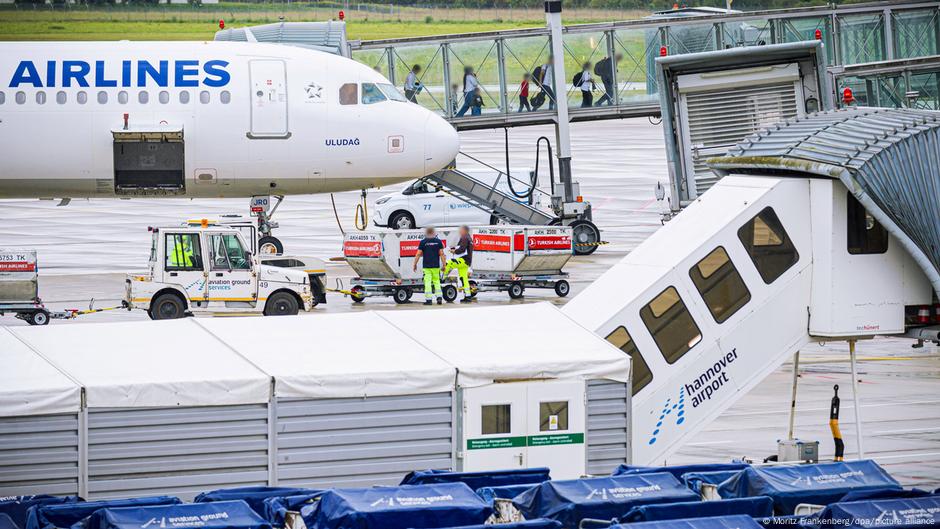
According to reports, German officials from the Interior Ministry are expected to travel to Kabul in October to discuss the logistics of deporting individuals back to Afghanistan. The process will involve regular commercial flights rather than special chartered planes, which could streamline the deportation process and reduce costs. This development comes after Germany successfully deported several Afghans in July, signaling a growing willingness to take action on this front.
However, the move has drawn criticism from human rights and refugee organizations, who argue that Afghanistan remains an unsafe environment under the Taliban regime. These groups have raised concerns about the conditions in the country, including restrictions on freedom of expression, gender inequality, and the risk of persecution for certain groups. Despite these concerns, Dobrindt emphasized the need for “regular and systematic” deportations to ensure that those deemed dangerous can be removed from Germany.
Talks with Syria on Deportation Agreements
In addition to discussions with the Taliban, Dobrindt also expressed a desire to reach a deportation agreement with the Syrian government by the end of the year. The focus of these talks would be on the repatriation of Syrians who have been denied asylum but continue to reside in Germany.
Dobrindt highlighted the importance of distinguishing between individuals who are well-integrated into German society and those who rely on social benefits without legal residency status. He stated that the Federal Office for Migration and Refugees (BAMF) has been instructed to resume the review of paused asylum applications to determine who is eligible to stay and who must be deported.
Germany has not deported anyone to Syria since 2012, but there have been some voluntary returns in recent years. As of now, approximately 955,000 Syrian nationals are living in Germany, with around 83,150 having become citizens in 2024.
Other Developments in Germany
Beyond deportation efforts, several other news stories have captured public attention in recent days. A tragic incident occurred in Bautzen, where a 27-year-old Spanish trapeze artist fell from a height of five meters during a performance, resulting in her death. Authorities have ruled out foul play and are treating the incident as a workplace accident.
In Berlin, thousands of people participated in a Gaza solidarity protest, calling for international support for Palestine and demanding an arms embargo against Israel. The demonstration, organized by over 50 groups, was one of the largest seen in the city to date.
Meanwhile, Arnold Schwarzenegger made headlines by leading a band at Munich’s Oktoberfest, showcasing his playful side during the annual festival. The event, which attracts millions of visitors each year, continues to be a major cultural and economic draw for Germany.
Drone Defense Measures Under Consideration
Another emerging issue involves the potential expansion of military powers to shoot down drones. Reports suggest that Interior Minister Alexander Dobrindt is working on a proposal that would allow the Bundeswehr, Germany’s armed forces, to take such action in specific situations. This comes amid increased concerns over unauthorized drone activity, including incursions into NATO airspace by suspected Russian drones.
The proposed measures aim to enhance national security by addressing threats to critical infrastructure and public safety. However, the plan has sparked debate, with some arguing that police should remain responsible for handling such incidents.
Digital Health Records Remain Underutilized
Despite the introduction of electronic patient files (ePA) in German medical practices, a recent survey revealed that only a small percentage of patients have access to their digital records. Many doctors’ offices lack the necessary technological infrastructure to fully implement the system, raising concerns about the efficiency of Germany’s healthcare administration.
These developments highlight the complex challenges facing Germany as it navigates issues related to migration, security, healthcare, and public protests. As the country continues to evolve, the role of its government in addressing these concerns will remain central to the national conversation.

Post a Comment