Rachel Reeves Seeks Bold EU Deal for Young Europeans in Britain
Introducing a New Youth Migration Scheme
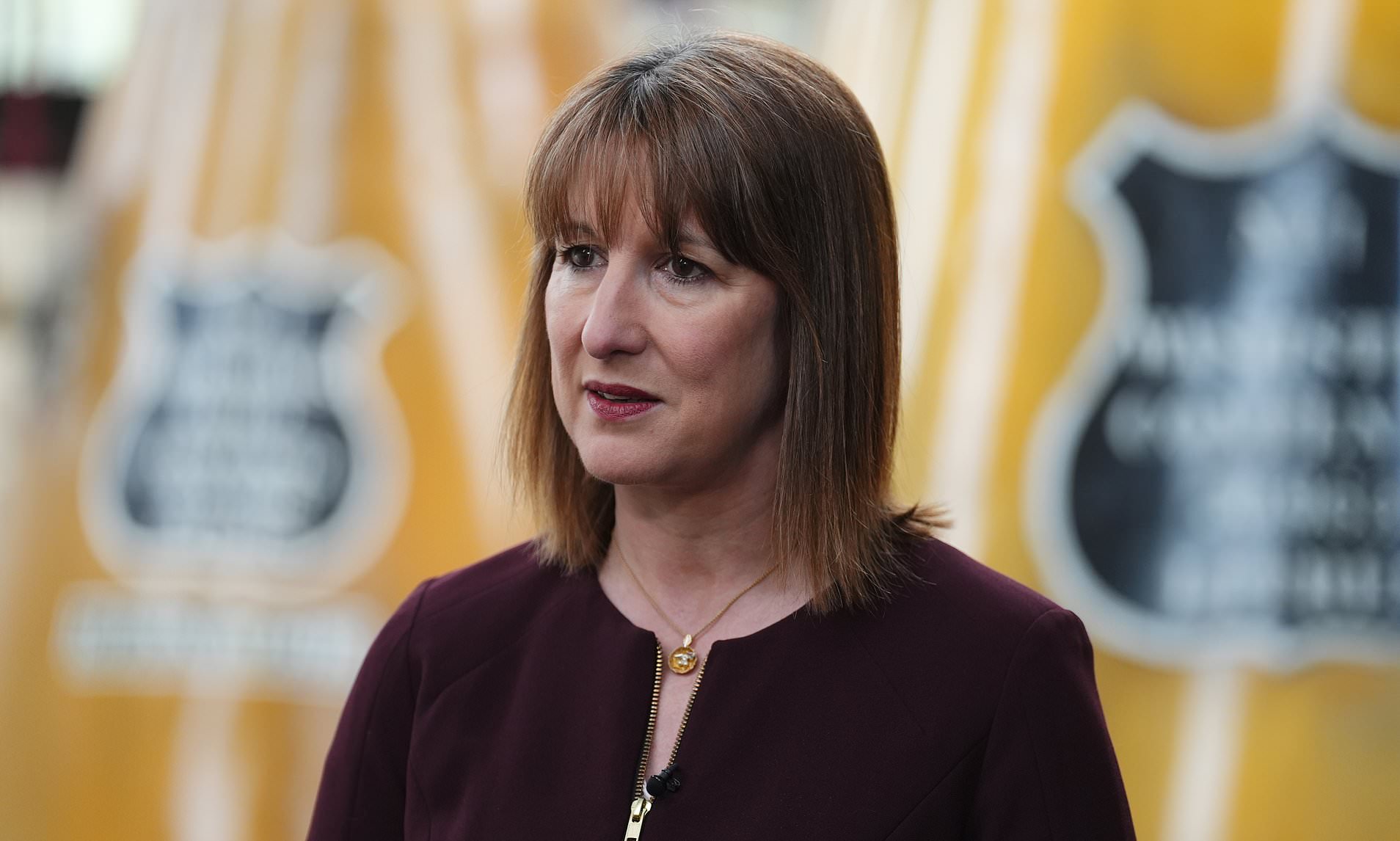
Rachel Reeves, the Chancellor of the Exchequer, has unveiled plans for an 'ambitious' youth migration deal that aims to benefit the economy, foster growth, and support businesses. The proposed scheme would allow individuals aged 18 to 30 to live and work in the UK for up to two years, although they would not be granted the right to remain permanently. Similarly, young people from the UK would have the opportunity to work, study, and live within the European Union for a limited period.
Reeves believes this initiative could strengthen the UK's trading relationship with the EU and reduce the necessity for tax increases in the upcoming budget by providing a much-needed economic boost. She also emphasized the importance of including the idea of such a scheme in the Office for Budget Responsibility’s (OBR) economic forecasts.
The proposal comes ahead of Labour's conference in Liverpool, where the Chancellor expressed her vision for a youth mobility program. Speaking to The Times, she stated, "We have agreed as a government that we want to have an ambitious youth experience scheme to allow young people in Britain to be able to go and work, to travel, to volunteer, to gain experience, to learn languages in European countries."
She further highlighted that the goal is to provide similar opportunities for young people from European countries to come to the UK. The key considerations of the scheme include the age of participants, the duration of their stay, and the number of individuals allowed to participate. These factors are crucial for both young people and businesses.
Balancing Immigration and Economic Growth
Reeves’ stance aligns with previous statements made in April when she addressed concerns about increasing immigration. She suggested that a one-in, one-out arrangement could be considered to maintain stable net migration levels. She explained, "We're going to bring down net migration and we aren't going to return to freedom of movement. We do want to see better trading relationships between our countries and we do want to enable young people from Europe and the UK to be able to work and travel overseas."
However, she stressed the need to find the right balance, emphasizing that she does not want to see net migration increase but rather decrease.
Neil Farage, leader of Reform, has criticized the youth migration deal, arguing that it could serve as a "back door to free movement." Analysts warn that the scheme might create new challenges for the government, as approximately 50,000 Europeans could become eligible to live and work in the UK annually.
Political Challenges and Public Sentiment
On the eve of Labour's annual conference in Liverpool, recent polls revealed a critical public perception of Sir Keir Starmer's leadership. Two-thirds of the public believe Labour has failed to meet expectations, with the cost-of-living crisis and immigration being top priorities for voters.
The poll also highlighted Reform as the main electoral threat to Labour, with the party securing 29% support, compared to Labour's 20%, the Conservatives at 15%, the Lib Dems at 9%, and the Greens at 8%.
Ongoing Debates and Future Implications
As the UK seeks to reset its trade relations, the Labour Party's push for a new youth mobility scheme has reignited discussions about post-Brexit immigration policy. Critics argue that the initiative could reignite tensions over free movement, while supporters view it as a way to foster economic growth and cultural exchange.
Will Labour's consideration of a youth mobility scheme with the EU lead to renewed debates on Brexit? Could this move be seen as a betrayal of the Brexit principles or a necessary step towards economic revival?
The political landscape remains dynamic, with Labour facing pressure to address these complex issues while navigating the expectations of the public and the challenges of maintaining economic stability.

Post a Comment