Foreign Tourists Explore Bardiya's Blackbuck Haven
Rise in Tourism and Conservation Efforts in Bardiya
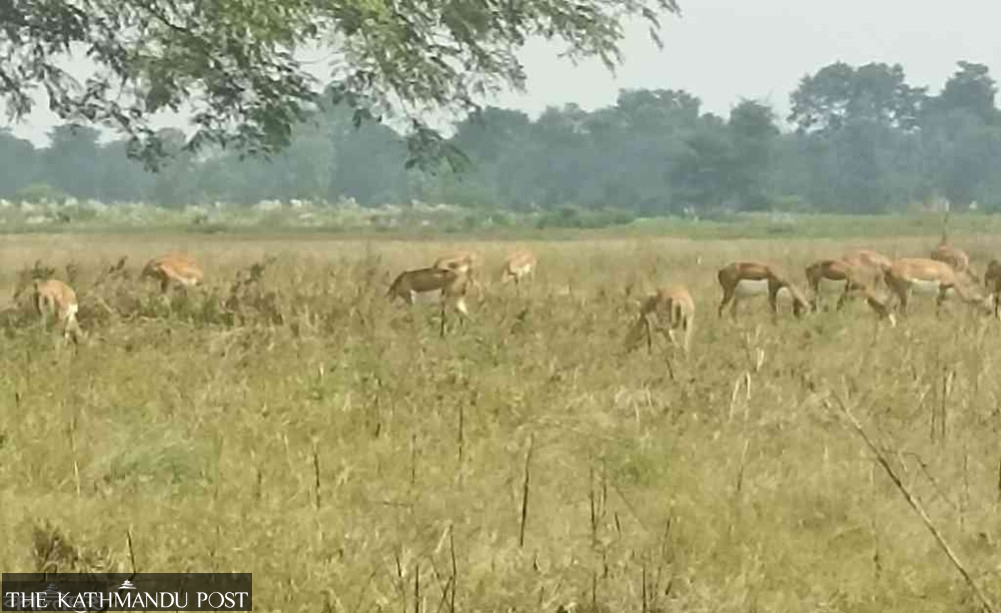
Tourism in the Bardiya region has seen a notable increase as both international and domestic visitors make their way to the Blackbuck Conservation Area. This area, located within Ward 2 of Khairapur in Gulariya Municipality, is approximately 45 kilometers away from Bardiya National Park. The site is renowned for its blackbuck population, known locally as Krishnasar.
In the previous fiscal year, the conservation area welcomed a total of 4,607 tourists, including 107 foreign visitors, 13 tourists from SAARC countries, and 4,587 Nepalis. According to Ranger Ramu KC, the numbers have continued to rise this fiscal year, with 493 visitors recorded so far. However, the monsoon season has affected the number of foreign tourists, with only two visiting during this period.
The blackbuck population in the conservation area currently stands at 248 individuals, consisting of 32 males, 151 females, and 35 fawns. These animals were first recognized as a protected species in 2009, and since then, they have become a significant draw for eco-tourism in Bardiya. The presence of these animals not only contributes to the local ecosystem but also offers a unique experience for nature enthusiasts.
Despite the growing interest in the area, Khairapur faces challenges related to tourism infrastructure. Visitors often return to hotels near Bardiya National Park after day trips because there are no resorts, homestays, or restaurants within the conservation zone. This lack of facilities limits the potential for sustained tourism and economic growth in the region.
To address these issues, entry fees have been introduced to support future development. The fees vary based on the visitor's nationality: Rs2,000 for foreigners, Rs500 for SAARC nationals, and Rs100 for Nepalis. These funds are expected to be used for improving the area's infrastructure and enhancing the visitor experience.
Dipendra Yadav, chairperson of the Blackbuck Conservation Committee, emphasized the need to remove illegal settlements from the protected zone. Over 350 bigha (237 hectares) of land within the 708-bigha (479.5 hectares) conservation area have been encroached upon by squatters. He called for proper resettlement measures to ensure the protection of the blackbuck habitat.
Declared a conservation area in March 2009, Khairapur remains Nepal's sole habitat for blackbucks. The population of these animals had once faced alarming declines due to various threats, including poaching and habitat loss. However, through local and government-led protection efforts, the numbers have significantly increased, highlighting the importance of ongoing conservation initiatives.
As the demand for eco-tourism continues to grow, it is essential to balance the needs of the local community with the preservation of the blackbuck population. By addressing infrastructure gaps and implementing effective conservation strategies, Khairapur can continue to serve as a vital sanctuary for these majestic animals while offering an enriching experience for visitors.

Post a Comment