How This European City Conquered Sustainable Tourism
The Challenge of Overtourism and the Rise of Sustainable Tourism
Overtourism has become a pressing issue in many parts of the world, leading to housing shortages, overburdened infrastructure, and environmental degradation. In response, various regions have implemented measures such as visitor caps and restricted access to natural attractions. However, some cities have managed to avoid the negative impacts of mass tourism by adopting long-term sustainable strategies.
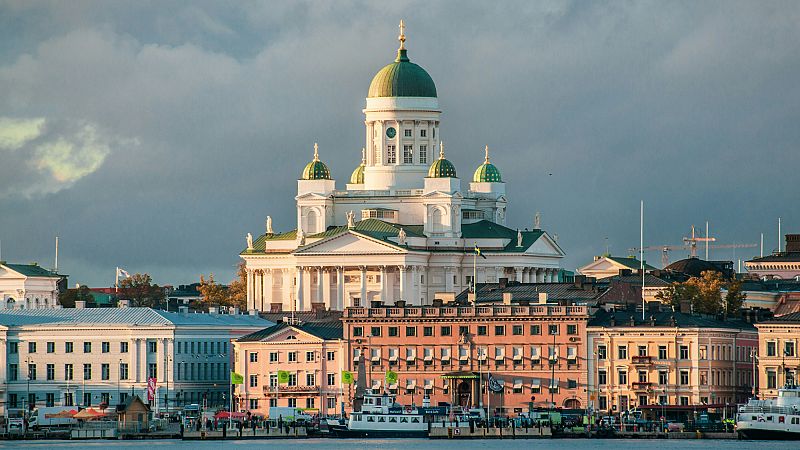
One such city that has emerged as a global leader in sustainable tourism is Helsinki, which recently secured the top spot on the Global Destination Sustainability (GDS) Index. This annual ranking evaluates over 100 cities worldwide based on their commitment to sustainability, using 70 different indicators across four key categories: destination management, supply chains, social sustainability, and environmental performance.
Helsinki's Sustainable Tourism Model
Helsinki’s success in the GDS Index can be attributed to its comprehensive approach to sustainable tourism. The city measures the carbon footprint of tourism activities and promotes a climate roadmap tailored for the tourism sector. It also supports local businesses in their journey toward sustainability, ensuring that tourism contributes positively to the environment and community.
A critical component of Helsinki’s strategy is the well-being of its residents. According to Nina Vesterinen, Helsinki’s tourism director, the city aims to ensure that visitors leave the city in a better state than when they arrived. This philosophy emphasizes reducing negative impacts while enhancing positive ones.
Cooperation among various stakeholders has played a significant role in Helsinki’s sustainability efforts. Local authorities highlight the importance of collaboration between businesses, government agencies, and other operators. For instance, an increasing number of companies in Helsinki hold environmental certifications, and the production of district heating and electricity has become more climate-friendly.
Environmental Certifications and Transparency
Helsinki stands out for its high level of environmental certification among hotels. Over 99% of hotel rooms with more than 50 rooms are certified, a figure significantly higher than the European average. Similarly, many meeting and conference facilities, tour operators, and other tourism-related entities have also obtained environmental certifications.
Transparency is a core principle of Helsinki’s sustainability efforts. Vesterinen emphasizes that sustainability must go beyond superficial marketing claims. This commitment aligns with EU legislation that requires environmental claims to be reliable and verifiable.
In March 2025, Helsinki became the first city with over half a million residents to receive the Green Destinations certification. This recognition, awarded by the Global Sustainable Tourism Council (GSTC), highlights the city’s dedication to protecting its environment, people, and culture.
Growing Demand for Sustainable Travel
The trend toward sustainable travel is gaining momentum. According to Booking.com’s 2025 Sustainable Travel Report, more than half of travelers are now conscious of the impact of tourism on local communities and the environment. Additionally, 93% of respondents expressed a desire to make more responsible choices, with many already taking steps to do so.
Helsinki’s tourism director notes that international tourists often arrive by boat or air, and the city acknowledges the associated climate impacts. To address this, Helsinki is focusing on attracting more visitors from Finland and neighboring European regions, aiming to reduce the environmental footprint of tourism.
Future Goals and Continued Improvement
Despite its achievements, Helsinki remains committed to further improving its sustainability credentials. The city continues to explore innovative ways to balance tourism growth with environmental responsibility. By setting a benchmark for sustainable tourism, Helsinki serves as an example for other destinations seeking to manage the challenges of overtourism while preserving their unique cultural and natural heritage.

Post a Comment