Miyakojima's Turtles Thrive Through Utaki Legacy
A Haven for Sea Turtles in Miyakojima
Miyakojima, a picturesque island in Japan, is renowned for its rich marine biodiversity, particularly its thriving population of sea turtles. The region's extensive seaweed beds provide an ideal habitat for these ancient creatures, making it one of the most significant areas in the country for turtle conservation. Green sea turtles, loggerhead turtles, and the critically endangered hawksbill sea turtles are commonly spotted in the surrounding waters. This abundance of marine life is not only a natural wonder but also a cultural treasure for the local community.
One of the most notable nesting sites on the island is Boraga Beach, located on the southern side. From June to July, this beach becomes a vital location where sea turtles come to lay their eggs. The process of reproduction is deeply rooted in the life cycle of these animals, as they return to the very beaches where they were born to continue the cycle. This remarkable behavior is driven by instinct, with hatchlings navigating back to their birthplace after spending years drifting in the ocean currents.
For those interested in learning more about the ecological significance of sea turtles, Rosewood Miyakojima offers an educational program called "Miyakojima Sea Turtle Ecology Education." This initiative allows guests to gain insight into the lives of these fascinating creatures. According to Nakayama Noriko, the general manager and environmental scientist at the resort, the island is steeped in folklore related to sea turtles. Local legends tell the story of a female priest who, centuries ago, saved endangered turtles while establishing an Utaki, a sacred shrine. When asked what the turtle desired, she reportedly replied, “I wish for the prosperity and abundance of sea turtles.” Since that time, the turtle population on the island has grown significantly.
The beach where this Utaki is located is still known today as Kaminu, which translates to “where turtles come to lay eggs.” This name reflects the deep connection between the local people and the natural world around them. The preservation of such sites is essential not only for the survival of sea turtles but also for maintaining the cultural heritage of the island.
For visitors looking to witness sea turtles in their natural habitat, Aragusuku Beach is a must-visit. Located on the southeastern side of the island, this beach offers calm waters and shallow areas, creating a safe environment for turtles to feed. It is approximately a 20-minute drive from the Rosewood Resort. Snorkelers often encounter sea turtles within minutes of entering the water, as they can be seen grazing on seaweed.
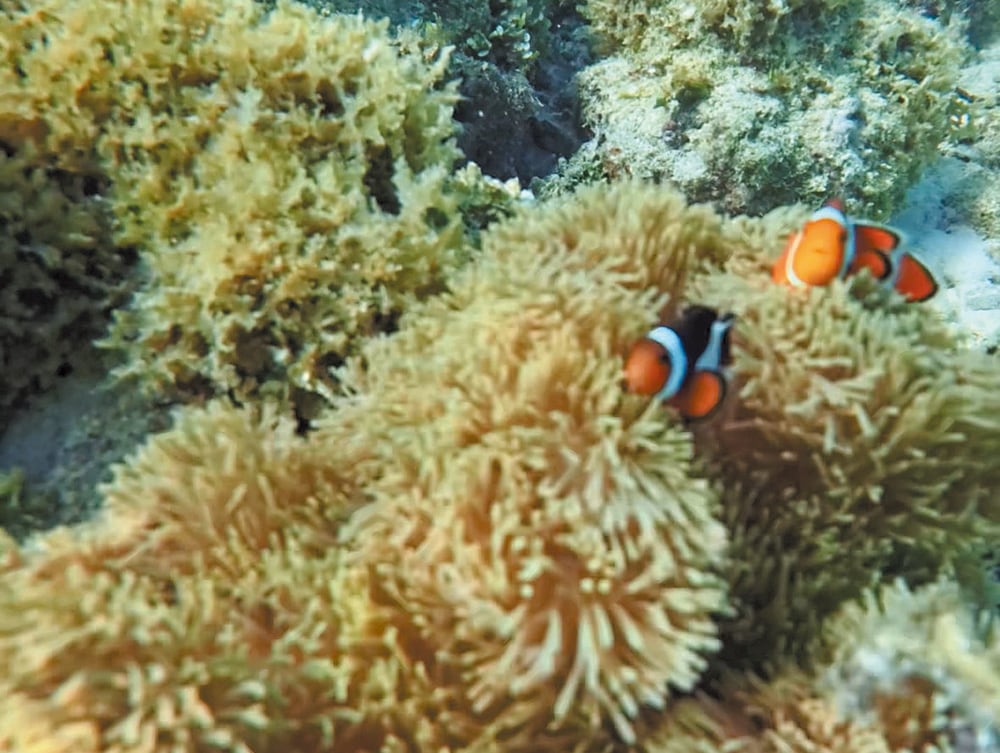
Those who venture to Aragusuku Beach should remember to swim to the left if they want to see sea turtles and to the right if they're hoping to spot Nemo, the famous clownfish. This simple tip helps ensure a memorable and informative experience for all who visit.
By combining education, conservation, and cultural storytelling, Miyakojima continues to be a sanctuary for sea turtles and a model for sustainable tourism. The island’s efforts highlight the importance of protecting these majestic creatures and preserving the delicate balance of marine ecosystems.

Post a Comment