Must-See 6 Spots in Seville During Your Stay
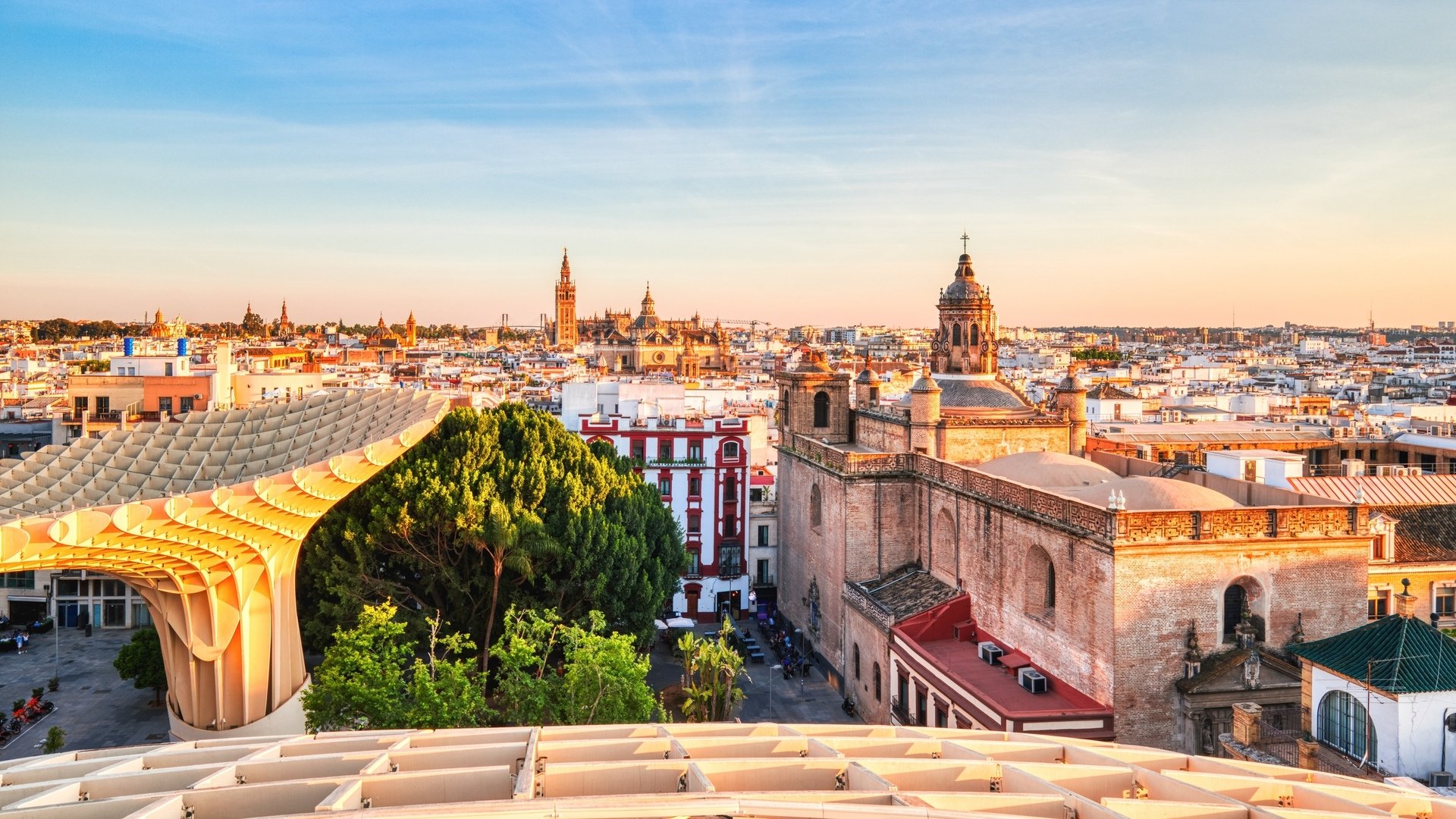
Discovering the Soul of Seville: A Journey Through Its Iconic Landmarks
Seville, the grand capital of Andalusia, is a city that mesmerizes visitors with its vibrant energy, blooming patios, and rich cultural heritage. Nestled between Mudejar palaces, fragrant gardens, and sacred art, this Andalusian gem reveals a thousand and one faces through its iconic sites. Imagine a sun-drenched city that has long served as a cultural crossroads, where echoes of Muslim Spain, Baroque splendor, and a fiercely popular spirit have come together. As the beating heart of Andalusia, Seville has managed to preserve its treasures while remaining a dynamic and evolving city. Walking through its streets feels like diving into a mosaic of influences, each telling a story of eight centuries of history.
From the majestic cathedral to the narrow alleys of the old Jewish quarter, from the legendary bullring to the gardens where the footsteps of kings still echo, Seville exudes an intensity that is almost tangible. Here are six essential stops that capture the essence of this enchanting city.
The Cathedral and Giralda: A Monumental Duo
One cannot visit Seville without gazing up at the Giralda, a former minaret that now stands as a bell tower, towering over the city at 97 meters. At its base lies the cathedral, the largest Gothic building in the world, which houses the tomb of Christopher Columbus and altarpieces adorned with exquisite gilding. Climbing the gentle ramp, originally designed for horsemen of past centuries, rewards visitors with breathtaking panoramic views of the entire city.
Plaza de España: A Grand Setting
Built for the Ibero-American Exhibition of 1929, the Plaza de España offers theatrical dimensions with its monumental semicircle of brick and ceramics, bordered by canals and bridges. The benches, decorated with azulejos, represent the Spanish provinces, while the colonnades provide shade for street musicians and painters. This iconic site, immortalized in films, remains a symbol of modern, festive Seville.
Alcázar: A Testament to Mudejar Majesty
Still in use as a royal palace, the Alcázar showcases Mudejar-era art in all its refined glory: vibrantly colored azulejos, patios lined with orange trees, and intricately carved domes. Behind its walls, visitors encounter a series of rooms where the echoes of Muslim and Christian Spain seem to blend seamlessly. The gardens offer a serene setting for daydreaming, with discreet fountains, trimmed hedges, palm trees, and ponds that evoke tales from the Arabian Nights.
Santa Cruz District: An Enchanting Labyrinth
Once a Jewish quarter, the Santa Cruz district is a charming maze of narrow streets, small squares adorned with bougainvillea, and houses with secret patios. Wandering through this neighborhood feels like getting lost in a dream, with flower-filled cul-de-sacs and balconies overflowing with geraniums. As dusk falls, the taverns come alive, and the atmosphere becomes one of the most romantic in Spain.
Maestranza Bullring: A Symbol of Tradition
A powerful symbol of Andalusian culture, the Maestranza bullring is one of the oldest and most beautiful in Spain. Its elegant white and ochre façade conceals a circular arena that can hold more than 12,000 spectators. Beyond bullfights, the bullring also houses a museum that recounts the history of bullfighting through costumes, posters, and objects tied to this controversial tradition deeply rooted in Sevillan identity.
Metropol Parasol: A Bold Architectural Statement
With its giant mushroom-like structure, the Metropol Parasol challenges Seville’s traditional legacy. This wooden marvel, inaugurated in 2011 on the Plaza de la Encarnación, includes a market, cultural spaces, and a panoramic walkway offering a unique view of the city. It represents a bold architectural gesture that reflects the creative vitality of the Andalusian capital.

Post a Comment