Shaikha Al Nowais: UNWTO Chief Calls on Africa to Lead Global Tourism Vision
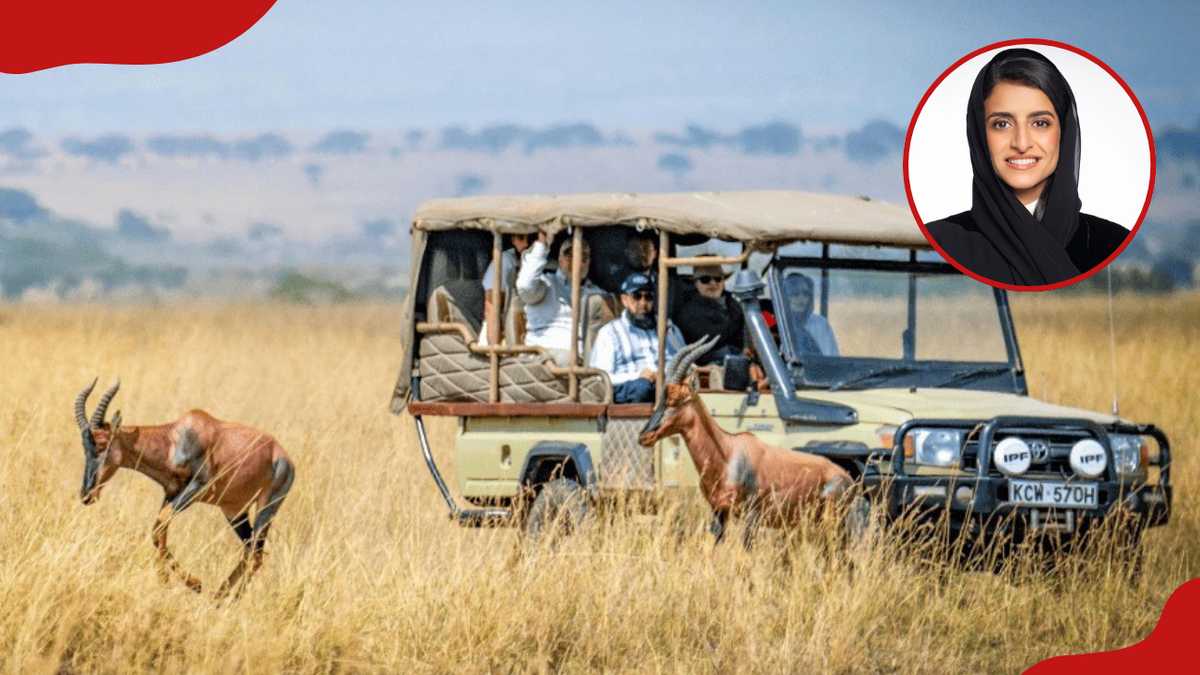
A New Vision for African Leadership in Global Tourism
Shaikha Al Nowais, the newly appointed Secretary-General of the United Nations World Tourism Organisation (UNWTO), has called on Africa to shift from being a mere tourist destination to becoming a key player in shaping the global tourism industry. Her vision emphasizes digital innovation, climate resilience, and storytelling as essential tools for African leadership in the sector.
Al Nowais, the first Emirati and the first Arab woman to hold this position, has outlined a reform agenda that focuses on redefining Africa’s role in the global tourism economy. She believes that countries like Kenya and South Africa have the potential to drive this transformation in tourism governance. According to her, Africa should not only benefit from tourism but also lead in shaping its future.
Why Kenya Stands Out in the UNWTO Vision
Kenya plays a significant role in Al Nowais’ vision due to its strong tech ecosystem and global reputation as a safari hub. The country is seen as a leader in digital innovation, with a growing number of young people who are already digital leaders. However, they need access to infrastructure, funding, and global visibility to fully harness their potential.
With over 70% of Sub-Saharan Africa’s population under 30, digital platforms, booking apps, mobile payments, and virtual tours could transform local entrepreneurs and community-based tourism. Nairobi, known for its thriving innovation scene, is being considered as a potential hub for UNWTO’s proposed regional innovation labs. These labs would provide artisans, guides, and small operators with training, AI tools, and access to international markets.
However, the Kenyan tourism industry faces challenges related to sustainability. Iconic destinations such as the Maasai Mara and Amboseli are under pressure from climate change and overtourism. Al Nowais emphasized the importance of regeneration over growth, calling for a shift from focusing on visitor numbers to prioritizing ecological restoration and community benefits.
South Africa’s Role in the Tourism Transformation
South Africa brings its own strengths and challenges to the table. The country has long been a leader in tourism thanks to its sophisticated infrastructure, diverse culture, and global visibility. However, inequality in who benefits from the sector remains a significant issue.
Al Nowais stressed the importance of listening, co-creating, and delivering solutions that are rooted in local values and leadership. She warned against strategies driven solely by bureaucrats seeking re-election and highlighted the need for policies that reflect the needs of local communities.
South Africa’s township tourism, wine regions, and cultural festivals could gain more prominence if supported by UNWTO’s emphasis on storytelling. Al Nowais pointed to the EU’s Spaces of Culture 2025 project as an example of how strategic storytelling can deepen tourism’s impact. South Africa’s creative industries and entrepreneurial talent position it well to anchor similar initiatives across the continent.
Alignment with the African Union’s Agenda
Al Nowais’ priorities align closely with the African Union’s agenda on youth empowerment, digital transformation, and climate resilience. She argued that digital infrastructure is not a luxury but a human right. For Africa, investment in digital tools offers pathways to build resilient economies, create jobs, and open new possibilities for young people.
However, she cautioned that this opportunity is not automatic. Without stable politics, clear strategies, and strong domestic policies, the continent risks missing out on the benefits of global agendas. Al Nowais emphasized that Africa is not just a destination but the future of global tourism.
The Path Forward for Africa
Al Nowais’ call for action leaves countries like Kenya and South Africa with a critical task: to invest in digital innovation, embrace regenerative principles, and amplify Africa’s own stories. If taken seriously, tourism could be transformed from a fragile revenue stream into a foundation for inclusive and sustainable growth.
By leveraging its unique strengths and addressing its challenges, Africa has the potential to shape the future of global tourism. With the right strategies and investments, the continent can move beyond being a destination and become a driving force in the global tourism industry.

Post a Comment