The Village Is Your Hotel with the Albergo Diffuso Concept
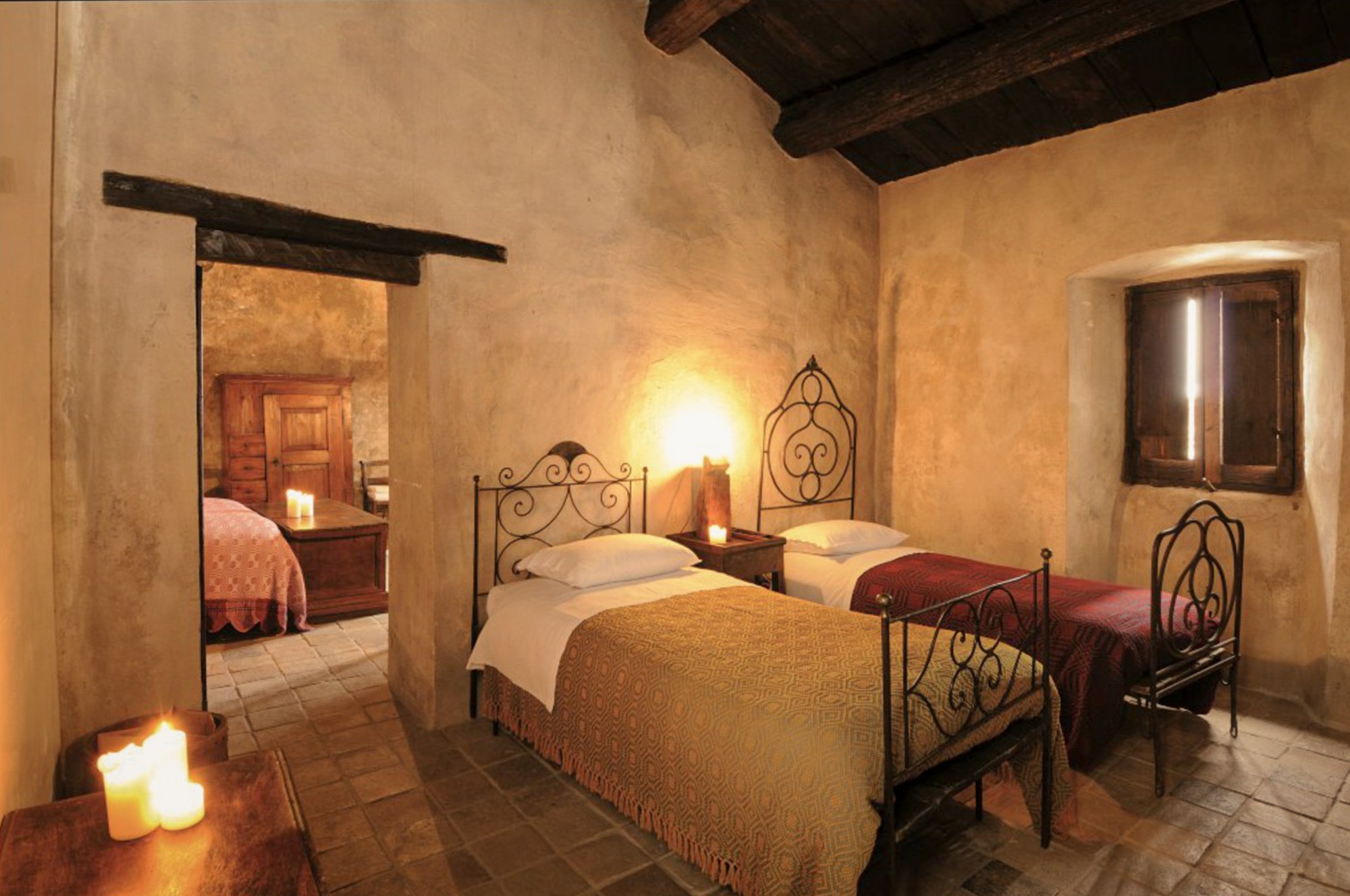
The Concept of Albergo Diffuso: A Unique Approach to Hospitality
Albergo diffuso, or "scattered hotel," is a concept that originated in Italy during the 1980s. This innovative model offers an alternative to traditional hotels by spreading rooms and services across various buildings within a small, often historic village or part of a town. Instead of a single building, guests can experience a more immersive stay, living as temporary residents within the local community.
The idea was introduced by marketing consultant Giancarlo Dall'Ara, who recognized the potential of using abandoned houses in small villages to attract visitors. This approach not only revitalizes local economies but also helps prevent further depopulation of these areas.
Notable Examples of Albergo Diffuso Around the World
Santo Stefano di Sessanio – Abruzzo, Italy
One of the most iconic examples of albergo diffuso is the Sextantio Albergo Diffuso, located in the Apennine Mountains of Abruzzo, two hours east of Rome. This project breathes new life into the medieval fortified village of Santo Stefano di Sessanio, offering 27 rooms spread across restored barns, stables, and shepherds' dwellings.
The interiors are designed with candlelit spaces, handwoven textiles, and timeworn beams, inspired by photos from the 1920s. The restaurant, Locanda sotto gli Archi, features stone ceiling arches and a central fireplace, serving food made with locally grown crops and traditional recipes.
Borgomaro – Ligurian Hinterland, Italy
Another standout example is Relais del Maro, a four-star hotel in Borgomaro, a village in the Ligurian hinterland. The hotel occupies three historic residences, with the reception and common areas located in the 19th-century Casa Madre. Half of the 14 guest rooms are spread between Casa del Borgo and Casa del Fienile, both former aristocratic residences.
Guests are encouraged to immerse themselves in village life, exploring the lively square, church, and small grocery shop. The experience offers a glimpse into the traditional lifestyle of the region.
Corippo – Ticino, Switzerland
Corippo Albergo Diffuso became Switzerland's first scattered hotel in 2022. Located in the Verzasca Valley, this small municipality was almost completely deserted. Run by Desiree Voitle and Jeremy Gehring, the 800-year-old mountain village's 10 guest rooms are sympathetically restored stone buildings with slate roofs.
The osteria serves as the reception, and chef Gehring prepares meals based on local traditions and regional ingredients. The hotel is closed from early January to mid-March.
Yakage – Okayama, Japan
Yakage-ya Inn and Suites, located in Okayama prefecture, was the first property to be designated as an albergo diffuso in both Japan and Asia. Although all 14 guest rooms are in a single, restored 220-year-old building, the designation is justified by the fact that guests are encouraged to integrate with the fabric of Yakage, a town known for its preserved Edo-period atmosphere.
The streets, shops, and restaurants serve as the hotel’s "scattered amenities." The inn is currently closed for renovations and will reopen soon.
Hirado – Nagasaki, Japan
In June, the historic port city of Hirado in Nagasaki prefecture became the first municipality in the world to be certified as an Albergo Diffuso Town. The entire city, with a population of over 28,000, is considered a hotel by the Albergo Diffuso Internazionale Estremo Oriente, which promotes the concept in Japan.
There are independent hotels alongside those aligned with the project, such as the Sumiya Heritage Hotel and the Jinbei Residence. The Terrace, a renovated rice storehouse, operates as a reception, providing visitors with maps and information about the town's attractions.
Beijing – China
The Mandarin Oriental Qianmen, while not officially certified as an albergo diffuso, embodies many of Dall'Ara's ideals. This hotel consists of 42 renovated siheyuan (traditional courtyard houses) within a meticulously restored hutong neighborhood in Beijing.
The hotel has become part of the city's living history, preserving a type of urban planning and way of life that is otherwise disappearing in the Chinese capital. Guests live side by side with local residents, experiencing the daily rhythms of an authentic hutong community.

Post a Comment