World Tourism Day: Ghana's Attractions Shine Through Challenges
The Role of Tourism in Ghana's Economy and the Need for Better Infrastructure
Tourism plays a significant role in Ghana's economy, contributing over GH₵4.8 billion to the GDP over the years. This contribution highlights the sector’s potential for further growth and development. Despite this, challenges persist, particularly in terms of road infrastructure, which affects the accessibility of key tourism sites.
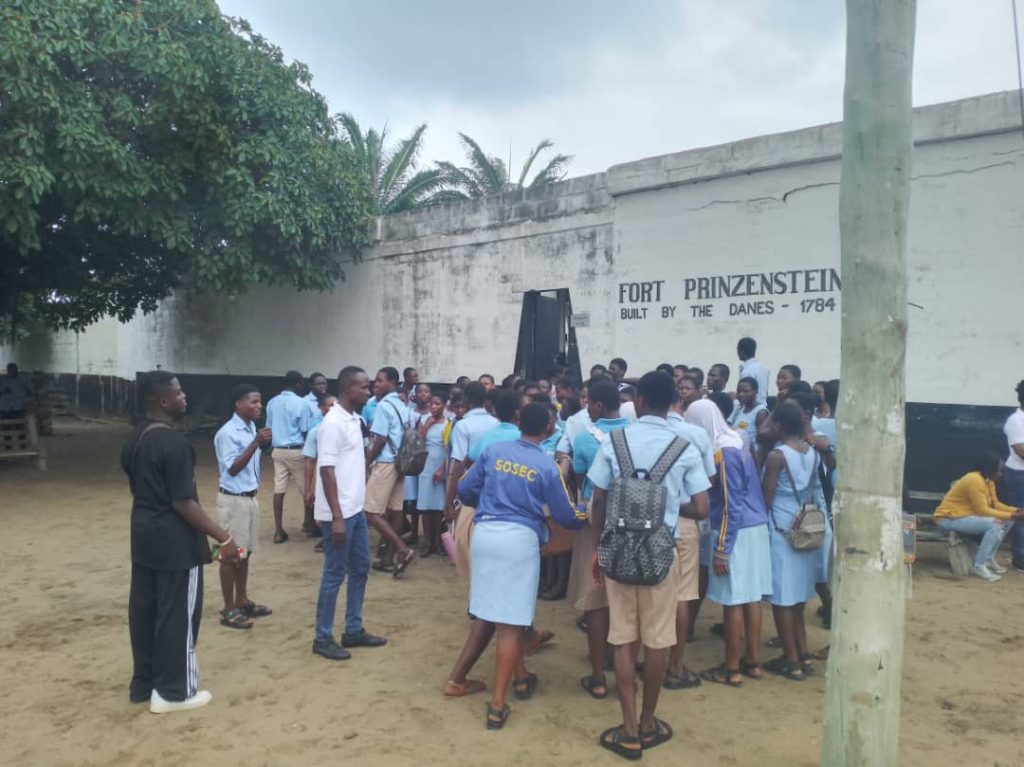
Madam Dzifa Abla Gomashie, the Minister of Tourism, Culture and Creative Arts, emphasized that while tourism sites have made a substantial impact on the economy, the poor condition of roads leading to these destinations remains a major concern. Notable sites such as Fort Prinzenstein in Keta, Avu Lagoon in South Tongue, and the Xedranawo Slave Market in Ketu South suffer from inadequate road access. These issues hinder the visitor experience and limit the economic benefits that could be derived from these locations.
In response to these challenges, the minister reached out to the Road Minister, Mr. Kwame Governs Agbodza, who pledged to address the road construction needs as soon as possible. The collaboration aims to enhance accessibility, attract more investors, and boost the local economy by making these sites more reachable for tourists.
The tourism sector’s contribution of over GH₵4.8 billion underscores its importance to Ghana’s economy. With improved infrastructure, particularly roads, the sector could realize its full potential to draw more international visitors and investments. Madam Gomashie highlighted the significance of this potential, stating that with better roads, the sector could unlock new opportunities for investment and job creation.
Celebrating World Tourism Day and Local Cultural Events
September 27 marks the celebration of World Tourism Day, with this year’s focus on the Blue Economy. The Ministry of Tourism, Creative Arts and Culture chose to collaborate with the Somètutuza festival, a cultural event in the Ketu South, to demonstrate local tourism sites and their economic impact.
Through this partnership, the ministry aimed to showcase Ghana’s rich cultural heritage and natural attractions to both local and international audiences. The initiative also involved bringing officials from the ministry and students to witness the sites, emphasizing the importance of domestic tourism alongside international visits.
Ghana’s coastal and marine tourism sites offer vast opportunities for development within the framework of sustainable tourism. Madam Gomashie noted that these sites align with global trends in sustainable tourism, highlighting the need for continued efforts in this area.
Challenges and Opportunities in Tourism Development
As the Member of Parliament (MP) for Ketu South constituency, Madam Gomashie acknowledged that while road infrastructure remains a significant challenge, the potential for growth in the tourism sector is substantial. Addressing infrastructural issues could unlock new opportunities for investment and job creation in the tourism industry.
She emphasized that efforts to improve infrastructure and promote local tourism reflect the commitment to sustainable development in the sector. “The sector does not luck express, ideas, talents, but infrastructure support,” she said.
Some students and participants who took part in the tour expressed excitement about the event and thanked the minister for the gesture that provided them with exposure to places of natural resources and historical significance. However, some were not impressed with the state of tourism sites such as Fort Prinzenstein and Xedranawo Slave Market. They expressed dissatisfaction with the stories and histories related to how the forefathers were treated during the colonial era.
Themes of World Tourism Day and the Sometutuza Festival
This year’s World Tourism Day theme, “Tourism and Sustainable Transformation,” highlights the importance of sustainable practices in the tourism industry. The Sometutuza Festival, on the other hand, focuses on “Consolidating Peace and Unity for Socio-Cultural and Economic Development in the Somè Traditional Area.” These themes underscore the broader goals of promoting peace, unity, and sustainable development through tourism and cultural events.

Post a Comment